


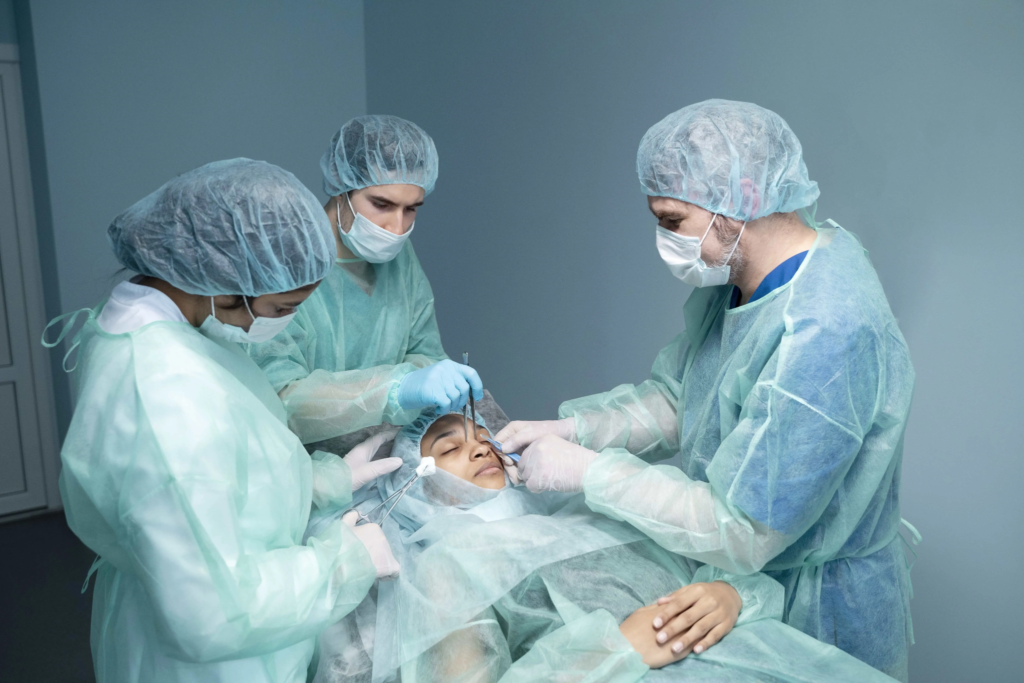
Understanding Revision Rhinoplasty
Revision rhinoplasty is a specialized procedure aimed at correcting or improving the results of a previous nose surgery. Often more complex than a first rhinoplasty, it addresses aesthetic concerns, functional issues like breathing problems, or both. It requires advanced surgical skill, especially when dealing with scar tissue and altered nasal structures.
What Is Revision Rhinoplasty?
Revision rhinoplasty, also known as secondary rhinoplasty, is a surgical procedure performed to correct or improve the results of a previous nose surgery. While primary rhinoplasty focuses on enhancing aesthetics or improving nasal function, revision rhinoplasty is often more complex. It addresses both physical and emotional concerns from patients who are dissatisfied with their original outcomes.
Why It’s More Complex Than Primary Rhinoplasty
Unlike primary nose surgery, revision rhinoplasty must work around scar tissue, altered anatomy, and in some cases, loss of nasal cartilage or structural support. It demands a higher level of surgical skill, experience, and precision. The margin for error is smaller, making surgeon selection absolutely critical. Find highly experienced specialists for complex procedures like this at Top Plastic Surgeons USA.
Ask ChatGPT
Common Reasons Patients Seek a Second Surgery
Patients consider revision rhinoplasty for various reasons, including:
- Cosmetic dissatisfaction: asymmetry, bumps, or drooping tips
- Functional issues: nasal obstruction or difficulty breathing
- Emotional distress: disappointment or anxiety after a botched nose job
These reasons highlight the importance of finding the right solution to restore both appearance and confidence.
Signs You May Need a Revision Rhinoplasty
You might be a candidate for revision rhinoplasty if you’re unhappy with the cosmetic results of a previous nose surgery—such as asymmetry, a drooping tip, or bumps—or if you’re experiencing new breathing difficulties. Emotional distress, loss of confidence, or persistent dissatisfaction are also strong indicators.
Cosmetic Concerns After a Previous Nose Job
One of the most common motivations is cosmetic dissatisfaction. Patients may notice an unnatural shape, persistent bumps, or an overly pinched or upturned nasal tip. Even minor flaws can be distressing after investing time and trust in the first procedure.
Functional Issues: Breathing Problems and Nasal Blockages
In some cases, the previous surgery may have compromised nasal function. Patients who experience chronic congestion, difficulty breathing, or reduced airflow after rhinoplasty often seek a revision to restore proper nasal function and comfort.
Emotional and Psychological Impact of a Botched Nose Job
The emotional toll of a botched rhinoplasty can be significant. Patients may feel self-conscious, anxious, or disillusioned. Revision rhinoplasty offers not just physical correction, but also a path toward emotional healing and renewed confidence.
When Is the Right Time for Revision Rhinoplasty?
The ideal time for revision rhinoplasty is typically 12 to 18 months after your initial surgery. This allows for full internal and external healing, which is crucial for accurate assessment and optimal surgical outcomes. Performing a revision too soon can risk complications or unpredictable results due to lingering swelling and scar tissue.
Healing Timelines After the First Surgery
The nose takes time to fully heal after any surgical procedure. Typically, swelling can persist for up to 12 months or more. Attempting a revision too early can compromise results and increase the risk of complications.
How Long to Wait Before a Second Procedure
Most surgeons recommend waiting at least 12 to 18 months after the initial surgery. This allows the nasal tissues to settle and for the surgeon to clearly evaluate structural issues that may need correction.
Factors That Determine Surgical Timing
Each case is unique. The timing of revision depends on:
- Extent of deformity
- Presence of scar tissue
- Degree of nasal obstruction
- Overall health and healing capacity
Patients should have a comprehensive consultation with a board-certified rhinoplasty expert to determine readiness.
Choosing the Right Surgeon for Revision Rhinoplasty in Texas
Selecting the right surgeon for revision rhinoplasty in Texas is crucial due to the complexity of the procedure. Look for a board-certified facial plastic or reconstructive surgeon with extensive experience in secondary rhinoplasties. Prioritize those who offer before-and-after case studies, transparent consultations, and a deep understanding of both cosmetic and functional nasal anatomy. In Texas, it’s essential to choose a specialist who combines technical skill with compassionate care to help you achieve safe, satisfying results and renewed confidence.
What to Look for in a Revision Rhinoplasty Expert
Experience matters, especially in complex revision cases. Look for a plastic surgeon who:
- Specializes in facial or nasal surgery
- Has extensive before-and-after case studies
- Understands both functional and aesthetic aspects
- Maintains certifications from organizations like the American Board of Facial Plastic and Reconstructive Surgery
Why Surgeon Selection Is Crucial in Complex Cases
Revision procedures are less forgiving than primary surgeries. The right surgeon not only understands advanced techniques but can also tailor the surgery to each patient’s specific anatomy and goals. This minimizes risks and maximizes satisfaction.
Questions to Ask During Your Consultation
To ensure you’re in good hands, ask:
- How many revision rhinoplasties have you performed?
- What is your revision success rate?
- Can I see patient testimonials or case studies?
- What’s your plan if complications arise?
Trust and transparency are key in building patient confidence.
What to Expect: Procedure, Risks, and Recovery
Revision rhinoplasty involves a tailored surgical approach that may include cartilage grafting, structural correction, or reshaping of nasal tissues. Because it addresses prior surgical alterations, the procedure is more intricate than primary rhinoplasty. Recovery includes initial downtime of 1–2 weeks, with full healing taking up to 18 months.
How the Revision Procedure Differs from the First
Revision rhinoplasty can involve grafting (using cartilage from the ear, rib, or septum), rebuilding nasal structures, or correcting both internal and external features. It typically takes longer and may be performed under general anesthesia, depending on complexity.
Recovery Timeline and Post-Op Care
Postoperative care is critical. While the initial recovery mirrors that of the first surgery—swelling, bruising, nasal packing—the healing period is often longer. Patients can expect:
- 1–2 weeks of downtime
- Visible swelling for several weeks
- Final results within 12–18 months
Regular follow-ups are essential to monitor progress and address concerns.
Risks and How to Minimize Them
As with any surgery, risks exist:
- Infection
- Scarring
- Unsatisfactory results
- Breathing issues
Choosing a highly qualified surgeon and following post-op instructions can significantly reduce these risks.
Realistic Outcomes and Emotional Healing
While revision rhinoplasty can greatly improve nasal appearance and function, it’s important to approach the procedure with realistic expectations. Skilled surgeons can correct many issues from previous surgeries, but perfection isn’t always possible.
Setting Expectations for Results
No surgery can deliver perfection. It’s vital for patients to have realistic goals and understand that the aim is improvement, not flawlessness. A trustworthy surgeon will provide honest feedback and help align expectations.
How Expert Care Restores Confidence
When done right, revision rhinoplasty can be life-changing. Patients often report:
- Improved breathing
- A more harmonious facial profile
- Emotional closure from a previously disappointing experience
It’s not just about aesthetics—it’s about feeling whole again.
Stories of Transformation and Emotional Relief
Many patients in Texas and across the U.S. have undergone successful revision surgeries that restored not only their appearance but also their sense of self. These success stories underscore the importance of choosing a specialist who approaches the procedure with both skill and compassion.
Final Thoughts: Is Revision Rhinoplasty Right for You?
If you’re still struggling with the results of a previous nose surgery—whether due to appearance, function, or emotional impact—revision rhinoplasty could offer the solution you need. The key is partnering with a highly experienced, compassionate surgeon who understands your goals and concerns.
Combining Medical Precision with Compassionate Care
If you’re living with the emotional and physical effects of a disappointing nose job, know that you’re not alone. Revision rhinoplasty, when done correctly, can offer a second chance—one filled with hope, healing, and expert care.
Taking the Next Step Toward a Better You
Considering revision rhinoplasty in Texas? Prioritize experience, open communication, and emotional understanding. A botched surgery doesn’t have to be the final chapter. With the right surgeon and support, a confident, functional, and aesthetically pleasing outcome is within reach.
Frequently Asked Questions
Q1: What is revision rhinoplasty?
A: Revision rhinoplasty is a secondary nose surgery performed to correct issues from a previous rhinoplasty, including cosmetic dissatisfaction or functional problems such as breathing difficulties.
Q2: How soon can I have revision rhinoplasty after my first surgery?
A: Most surgeons recommend waiting at least 12 to 18 months after the initial procedure to allow full healing before considering a revision.
Q3: Is revision rhinoplasty more complicated than the first surgery?
A: Yes, it’s typically more complex due to scar tissue and altered nasal structures. It requires a highly skilled, board-certified surgeon with experience in secondary procedures.
Q4: How do I know if I need revision rhinoplasty?
A: If you’re experiencing cosmetic irregularities, nasal obstruction, or emotional distress due to your first rhinoplasty, a consultation with a specialist can help you decide.
Q5: How long is the recovery for revision rhinoplasty?
A: Initial recovery takes about 1–2 weeks, but full results may take 12–18 months to appear. Swelling and bruising can last longer than with the first procedure.
