


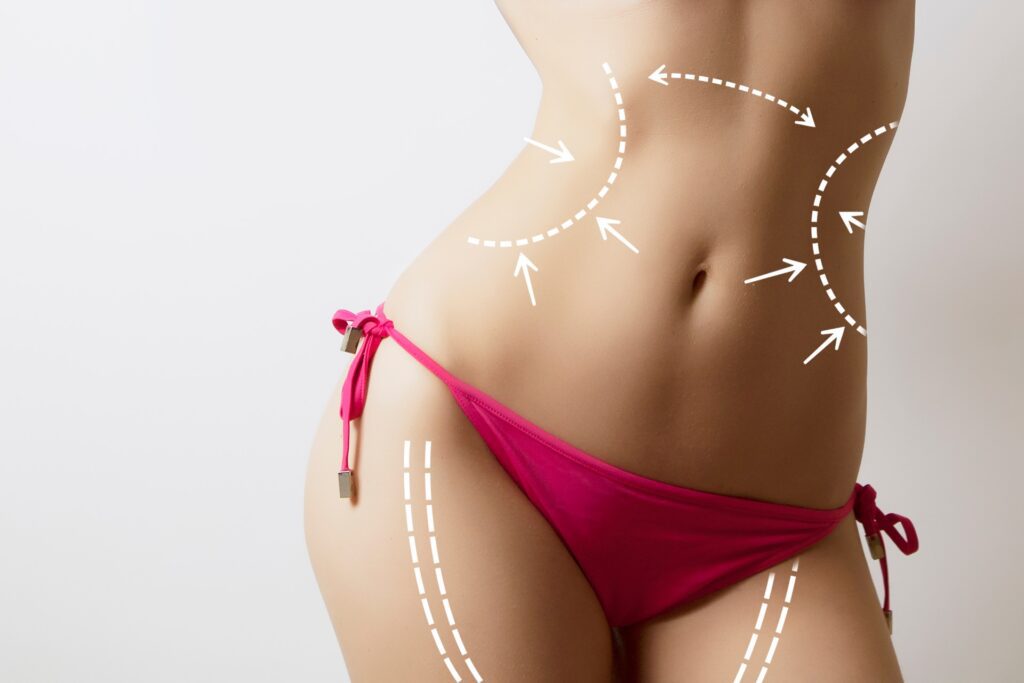
What is a body lift?
A body lift is a surgical procedure that removes loose, sagging skin following significant weight loss. It reshapes and tightens the areas where skin hangs down most commonly the abdomen, back, hips, buttocks, thighs, and arms. Think of it as the final step in your weight loss journey: you put in all the hard work, and this procedure helps your body reflect it.
It is not a weight loss procedure. It is a body contouring procedure designed for people who have already done the difficult work of losing weight and want their outer appearance to match how they feel on the inside.
There are two main types: an upper body lift and a lower body lift. Together, they are called a full body lift. Most patients do not need both but for those who have lost very large amounts of weight, a full body lift is often the most comprehensive solution.
How much is a full body lift?
Every person has unique anatomy and different goals, so the cost of a full body lift is not a fixed number it is customized to your specific case. A full body lift is an extensive procedure that may involve several techniques, including liposuction, to help achieve the smoothest, most natural result. Even after massive weight loss, stubborn pockets of fat can remain. Incorporating liposuction alongside your lift helps address those areas and complete your transformation.
A full cost breakdown will be discussed during your personal consultation with Dr. Michaels. This is not a rushed appointment — he takes the time to walk through your options, answer every question, and make sure you feel confident before making any decision. Ideally, you will have reached your weight goal and have no medical conditions that could affect your safety. Schedule a consultation today to take the next step in your weight loss journey.
Am I a good candidate for a body lift?
This is one of the most important questions to think through before anything else. Good candidates are patients who have lost a significant amount of weight whether through bariatric surgery, GLP-1 medications like Ozempic, or dedicated diet and exercise — and are left with excess skin that has not tightened on its own.
Ideal candidates should meet the following criteria:
-
Be at or near their goal weight, with a stable weight maintained for several months
-
Be in good general health with no conditions that would make surgery unsafe
-
Be non-smokers, or willing to stop smoking at least six weeks before surgery
-
Have realistic expectations about what the procedure can and cannot achieve
-
Be done losing weight further weight loss after surgery can affect your results
If you are still actively losing weight, it is best to wait until your weight has been stable for at least three to six months before scheduling a body lift. This gives your body time to settle and ensures the most lasting outcome.
What is a full body lift surgery?
A full body lift combines two separate procedures typically performed at different times an upper body lift and a lower body lift. The upper portion focuses on the arms, breasts or chest, and back, removing the skin that hangs in folds and creating a smoother, more contoured silhouette above the waist. The lower portion targets the buttocks, abdomen, and thighs the areas where most patients carry the greatest amount of excess skin after massive weight loss.
These two procedures can be combined for a comprehensive, head-to-toe improvement in appearance. When both are needed, they are staged across two separate appointments so your body has adequate time to heal between surgeries. Dr. Michaels will help you determine the right sequence and timing for your individual case.
What does an upper body lift include?
An upper body lift addresses three key areas: the arms, the breasts or chest, and the back.
Arm lift (brachioplasty): Excess skin under the upper arms sometimes called “bat wings” is removed through a carefully placed incision along the inside or back of the arm. Dr. Michaels places every incision along natural body contours so that scars sit discreetly and continue to fade over time.
Breast lift: After significant weight loss, the breasts often lose volume and begin to droop. A breast lift repositions the breast tissue and nipple for a firmer, more youthful appearance. If volume restoration is also needed, a breast augmentation can be added at the same time.
Back lift: Skin folds that hang from the back and sides are removed through an incision placed below the shoulder blades. This dramatically smooths the upper body profile and relieves the physical discomfort that these folds can cause.
The full upper body lift surgery typically lasts two to three hours. Some patients return home the same day, while others stay overnight for monitoring depending on the complexity of their procedure.
What does a lower body lift include?
A lower body lift is a circumferential procedure, meaning it treats the entire midsection and lower body in one surgery. It typically includes four components working together to create a cohesive, natural result:
-
Tummy tuck (abdominoplasty): Removes hanging skin from the lower abdomen and tightens the abdominal muscles, which are often weakened after major weight changes.
-
Hip and flank contouring: Removes excess skin from the sides and lower back to create a smoother waist-to-hip transition.
-
Buttock lift: Repositions and lifts the sagging buttock tissue for a more contoured rear profile.
-
Outer thigh lift: Tightens the skin of the outer thighs, which often sags downward significantly after major weight loss.
The combined result is a dramatically improved silhouette from the waist down. Patients consistently notice that clothes fit far better, movement becomes easier, and the hygiene issues caused by skin folds are completely resolved.
How much does a lower body lift cost?
Like a full body lift, the cost of a lower body lift is personal to your case. Every procedure is customized the amount of skin removed, the techniques used, and the areas treated all vary based on your anatomy and goals. During your consultation with Dr. Michaels, you will receive a clear and transparent cost breakdown so there are no surprises along the way.
How long does it take to recover from a lower body lift?
Recovery is a personal experience and will differ from patient to patient. That said, here is a realistic general timeline to help you plan ahead:
Dr. Michaels schedules detailed follow-up appointments throughout your recovery to monitor healing, remove drains, and guide you through every stage of the process.
Can I tighten loose skin after weight loss without surgery?
This is one of the most common questions Dr. Michaels hears and the honest answer is: it depends on how much skin you have.
In cases of minor weight loss say, 20 to 30 pounds the skin sometimes contracts on its own over time. Staying hydrated, maintaining a stable weight, and living a healthy lifestyle can support this natural process. Some non-surgical skin tightening treatments may also offer modest improvement in mild cases.
However, in cases of massive weight loss typically 80 pounds or more the skin has stretched far beyond its elastic limit. No cream, device, or non-surgical treatment will remove that volume of excess skin. The only truly effective solution is surgical excision. Dr. Michaels has extensive experience and published research in post-bariatric body contouring and will assess your individual case to recommend the right approach for where you are.
How long does it take to recover from a full body lift?
The healing process is very personal. Some patients feel ready to return to light activities after one week, while others need two weeks or more. Every body heals differently, and the complexity of your specific procedure plays a role as well.
A full body lift includes two separate procedures an upper body lift and a lower body lift each with its own recovery period. You will need to plan for two separate rounds of healing and two periods of reduced activity. Dr. Michaels and his team will be with you throughout both procedures and both recoveries, providing detailed instructions and follow-up appointments every step of the way.
How do I prepare for body lift surgery?
Preparing well makes a genuine difference in how smoothly your surgery and recovery go. According to the American Society of Plastic Surgeons, patients who prepare thoroughly tend to heal faster and experience fewer complications. Here is what Dr. Michaels recommends:
What results can I expect from a body lift?
The results of a body lift are genuinely life-changing. Patients consistently say that removing excess skin changes not just how they look, but how they feel physically and emotionally. After working so hard to lose the weight, seeing your body finally reflect that effort is a powerful experience.
These results are long-lasting when patients maintain a stable, healthy weight after surgery. Dr. Michaels is known for his artistic approach to body contouring he does not simply remove skin, he sculpts a natural, proportional result that complements your unique frame.