


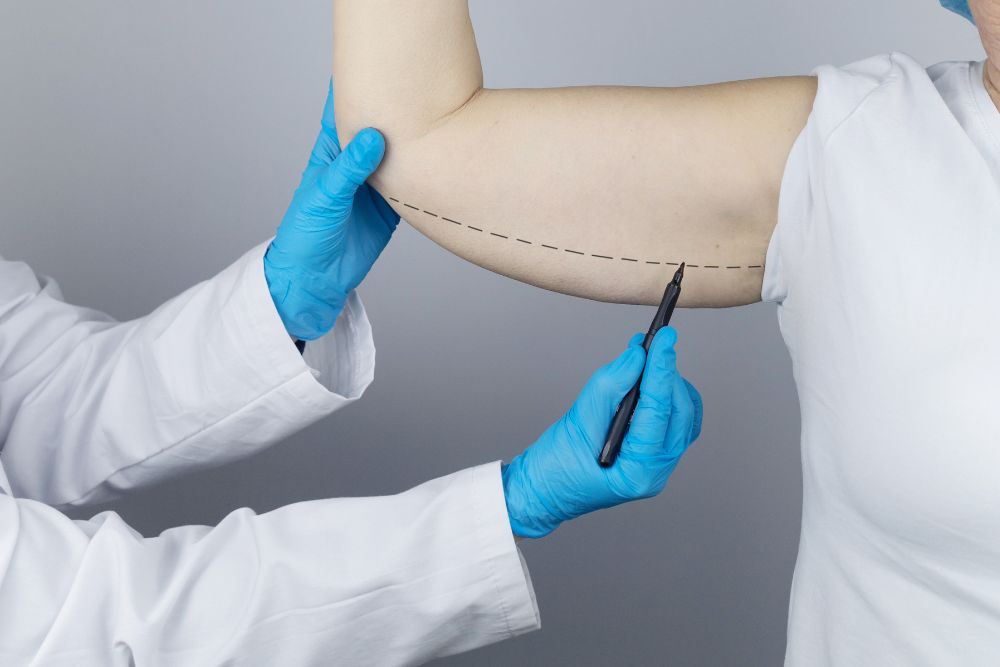
Understanding Arm Lift Surgery
What is Arm Lift Surgery?
Cosmetic surgery, specifically arm lift surgery, also known as brachioplasty, is a procedure designed to remove excess skin and fat from the upper arms, resulting in a more toned and youthful appearance. This procedure involves surgical excision and liposuction to reshape the upper arm, addressing sagging skin and improving arm contour.
Benefits of Arm Lift Surgery
-
Enhanced Appearance: Removes excess skin and fat to create a more toned and youthful appearance.
-
Improved Shape and Contour: Enhances the overall shape and contour of the upper arm.
-
Boosted Self-Confidence: Increases self-confidence and self-esteem by providing a more aesthetically pleasing arm appearance.
Preparing for Arm Lift Surgery

Pre-operative Instructions from Your Surgeon
-
Diet and Exercise: Follow a specific diet and exercise routine to optimize your body for surgery.
-
Medication Management: Avoid certain medications and supplements as advised by your surgeon.
-
Smoking Cessation: Stop smoking and using nicotine products to promote better healing.
What to Expect Right After the Procedure
-
Compression Garment: Wear a compression garment to reduce swelling and support the arms after your arm lift procedure.
-
Post-Op Assistance: Have someone drive you home and assist with meal prep and other tasks.
-
Pain and Wound Care: Follow your doctor’s instructions for pain medication and wound care to ensure proper healing.
Recovery Timeline
The First Week After Arm Lift Surgery
-
Pain Management: Expect moderate pain, which can be managed with prescribed pain medication.
-
Swelling Reduction: Wear a compression garment and keep arms elevated to reduce swelling.
-
Rest and Care: Prioritize rest and avoid strenuous activities.
Week 2-4 Post-Arm Lift Surgery
-
Resuming Activities: Gradually resume normal activities, including work and light exercise, as pain, swelling, and bruising may persist for up to a month.
-
Compression Garments: Continue wearing compression garments to support healing.
-
Activity Restrictions: Avoid heavy lifting and strenuous activities.
4-6 Weeks After Surgery
-
Exercise Routine: Gradually resume normal exercise routines, including yoga, tennis, and golf.
-
Continued Support: Keep wearing compression garments and avoid heavy lifting.
-
Incremental Recovery: Expect gradual improvement in arm strength and flexibility.
Six Months After Surgery
-
Scar Healing: Scars will continue to refine and lighten over time.
-
Full Activity Resumption: Return to all normal activities, including heavy lifting and strenuous exercise.
Managing Discomfort and Pain

Pain Management After Arm Lift Surgery
Medication: Take prescribed pain medication as directed by your surgeon to aid in the healing process.
Ice Packs: Apply ice packs to the incision area to reduce pain and swelling.
Elevation: Elevate arms to help reduce swelling and discomfort.
Managing Swelling and Bruising with Compression Garment
-
Compression Garments: Wear compression garments to minimize swelling.
-
Elevation: Keep arms elevated to reduce swelling.
-
Ice Application: Use ice packs to reduce pain and swelling around the incision area.
Minimizing Scarring

Is There Scarring with Arm Lift Surgery?
Yes, scarring is a natural part of the arm lift surgery process. However, scars will continue to refine and lighten over time with proper care.
Tips for Reducing Scarring
-
Sun Protection: Avoid direct sunlight on the scars for the first 12 months after surgery.
-
Moisturization: Keep the surgery site clean and moisturized.
-
Scar Therapy: Follow your surgeon’s instructions for scar therapy, including the use of topical treatments or silicone sheets.
Resuming Normal Activities

How Soon Can You Get Back to Work?
-
Typical Timeline: Most patients can return to work within 1-2 weeks after surgery, depending on the nature of their job and individual recovery progress.
Resuming Exercise After Arm Lift Surgery
-
Light Exercise: Typically, you can start light exercise 2-4 weeks after surgery.
-
Gradual Increase: Gradually increase the intensity of your exercise routine as advised by your surgeon.
Common Complications and Concerns
Identifying Potential Complications
-
Infection Signs: Increased redness, swelling, or pus at the incision site after plastic surgery.
-
Bleeding: Unusual bleeding or oozing from the incision site.
-
Mobility Issues: Difficulty moving your arm or experiencing numbness or tingling.
When to Contact Your Surgeon
-
Unusual Symptoms: Contact your surgeon if you experience any unusual symptoms or concerns.
-
Recovery Questions: Reach out to your surgeon with any questions or concerns about your recovery process.
Follow-up Care and Support
Importance of Follow-up Appointments
-
Monitoring Recovery: Ensures a smooth and successful recovery by monitoring progress and addressing any issues.
-
Complication Prevention: Helps in early detection and management of potential complications.
Ongoing Support After Arm Lift Surgery
-
Post-Operative Care: Follow your surgeon’s instructions for post-operative care diligently.
-
Regular Check-ups: Attend follow-up appointments as scheduled to ensure optimal healing.
Expert Advice for a Smooth Recovery
Top Tips for a Smooth Arm Lift Recovery
-
Follow Instructions: Adhere to your surgeon’s instructions carefully to ensure a successful recovery.
-
Wear Compression Garments: Wear compression garments as directed to support healing.
-
Elevate Arms: Keep your arms elevated to reduce swelling and promote healing.
Choosing the Right Surgeon for Your Arm Lift
-
Board-Certified Surgeons: Research and select a board-certified plastic surgeon with experience in arm lift surgery.
-
Experience Matters: Ensure your surgeon has extensive experience with arm lift procedures.
-
Communication: Ask questions and discuss your concerns with your surgeon to ensure you are well-informed and comfortable with the procedure.
By following these guidelines and working closely with a qualified surgeon, patients can achieve a smooth and successful recovery from arm lift surgery, resulting in more toned and youthful-looking arms.
4o