


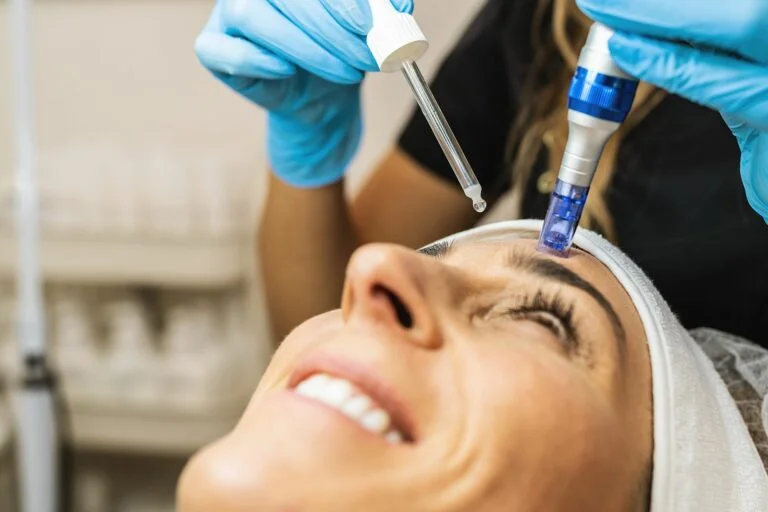
Many people want smoother, firmer skin but are not ready for surgery. Concerns like acne scars, uneven texture, fine lines, and mild skin laxity often lead patients to look for non-surgical options that still deliver noticeable results. RF microneedling has become a popular treatment for these goals. It combines two proven technologies into one procedure that stimulates collagen deep within the skin. The result is gradual, natural-looking improvement rather than sudden change.
If you are asking what RF microneedling is and whether it is right for you, this guide explains how it works, who benefits most, and what to expect from treatment and recovery.
What Is RF Microneedling?
RF microneedling is a non-surgical skin treatment that combines microneedling with radiofrequency energy. Microneedling creates tiny controlled channels in the skin, while radiofrequency energy delivers heat to deeper layers. This combination triggers the body’s natural healing response. Collagen and elastin production increase over time, leading to firmer and smoother skin. Unlike topical treatments, RF microneedling works below the surface, which is why it is often considered a more advanced option.
How RF Microneedling Works
During treatment, a device with fine needles penetrates the skin at controlled depths. Radiofrequency energy is released through the needles into the dermis. The heat stimulates collagen remodeling without damaging the outer layer of skin. This allows for effective treatment with less downtime compared to more aggressive procedures. Results develop gradually as new collagen forms over several weeks and months.
Difference Between RF Microneedling and Traditional Microneedling
Traditional microneedling relies only on mechanical injury to stimulate collagen. RF microneedling adds heat-based energy, which enhances results. Radiofrequency allows deeper collagen stimulation while keeping the skin surface relatively protected. This often leads to better tightening and scar improvement. Patients seeking more noticeable results often choose RF microneedling over traditional microneedling.
Why RF Microneedling Is Considered an Advanced Non-Surgical Treatment
RF microneedling is positioned between basic cosmetic treatments and surgical procedures. It offers meaningful improvement without incisions or extended recovery. The technology allows providers to customize depth and energy levels. This precision improves both safety and effectiveness.
Because of these factors, RF microneedling is often recommended for patients who want visible improvement but are not ready for surgery.
Role of Radiofrequency Energy in Collagen Stimulation
Radiofrequency energy heats the deeper skin layers in a controlled way. Heat causes collagen fibers to contract and triggers new collagen production. This process improves skin firmness and elasticity over time. Results continue to improve even after the treatment series is complete. The gradual nature of change appeals to patients who want natural-looking results.
Precision and Safety Features
Modern RF microneedling devices allow precise control of needle depth and energy delivery. This reduces the risk of surface damage. Built-in safety features help protect surrounding tissue. When performed by trained providers, the procedure is considered safe for many skin types. Provider expertise remains a critical factor in achieving good outcomes.
Key Benefits of RF Microneedling
RF microneedling is used to treat multiple skin concerns. Its versatility makes it appealing to a wide range of patients. Improvements are typically subtle but noticeable. The goal is healthier, more resilient skin rather than dramatic transformation.
Skin Texture Improvement
Uneven texture caused by enlarged pores or rough skin can improve with RF microneedling. Collagen renewal smooths the skin surface over time. Patients often notice improved skin tone and softness after a few sessions. Makeup may apply more evenly as texture improves. Consistency is important for optimal results.
Acne Scar Reduction
RF microneedling is commonly used for acne scar improvement. The treatment breaks down scar tissue while encouraging new collagen formation. Indented scars tend to respond better than raised scars. Improvement is gradual and cumulative. Multiple sessions are usually required for noticeable change.
Skin Tightening and Laxity Improvement
Mild to moderate skin laxity can improve with RF microneedling. Heat-based collagen contraction provides subtle tightening. This makes it popular for the face, neck, and jawline. It is not a replacement for surgery but can delay the need for more invasive procedures. Results look natural and develop over time.
RF Microneedling vs Traditional Microneedling
Understanding the difference between RF and traditional microneedling helps set expectations. Both treatments stimulate collagen, but their depth and intensity differ.
Depth of Treatment and Results
RF microneedling reaches deeper skin layers due to radiofrequency energy. This allows more robust collagen remodeling. Traditional microneedling is effective for surface texture and mild concerns. RF microneedling is better suited for scars and laxity. The choice depends on skin goals and tolerance for downtime.
Downtime and Recovery Differences
Traditional microneedling usually involves mild redness for a short period. RF microneedling may involve slightly longer downtime. Most patients experience redness and swelling for a few days. Makeup is typically avoided during early healing. Downtime remains shorter than many resurfacing procedures.
Which Option Is Better for Specific Concerns
RF microneedling is often recommended for:
- Acne scar
- Skin tightening
- Deeper wrinkles
Traditional microneedling may be enough for mild texture concerns.
A provider can help determine the best approach.
Who Is an Ideal Candidate for RF Microneedling?
RF microneedling works best for patients with realistic expectations. It is not a one-time fix. Good candidates want gradual improvement without surgery.
Skin Types and Conditions That Respond Best
RF microneedling can be used on many skin types and tones. It is commonly used for aging skin, acne scars, and uneven texture. Patients with mild to moderate laxity often see improvement. Severe sagging may require surgical options. A consultation is essential to determine suitability.
When RF Microneedling May Not Be Recommended
Active infections, certain skin conditions, or poor wound healing may limit eligibility. Pregnant patients or those with implanted medical devices may need alternative treatments. Safety screening is a critical step before treatment.
What to Expect During an RF Microneedling Treatment
Understanding the treatment process helps reduce anxiety. Sessions are typically performed in an outpatient setting. Treatment time varies based on area treated.
Consultation and Skin Assessment
Treatment begins with a consultation. The provider evaluates skin condition and discusses goals. A customized treatment plan is created. This may include the number of sessions and spacing between them. Clear communication sets realistic expectations.
Treatment Session Experience
A topical numbing agent is usually applied. The device is then passed over the skin in a controlled pattern. Patients may feel pressure and warmth. Discomfort is generally manageable. Sessions typically last 30 to 60 minutes.
Comfort Measures and Safety Protocols
Providers use sterile equipment and follow strict safety protocols. Post-treatment care instructions are reviewed before you leave. Proper technique reduces the risk of complications.
RF Microneedling Recovery and Downtime
Recovery is usually straightforward but varies by individual. Most patients return to normal activities quickly.
Common Side Effects
Temporary redness, swelling, and sensitivity are common. These effects typically resolve within a few days. Mild flaking or dryness may occur. Serious complications are uncommon when treatment is performed correctly.
Typical Downtime After RF Microneedling
Downtime is usually a few days. Some patients prefer to take a short break from social activities. Sun protection is important during healing. Providers give detailed aftercare instructions.
Post-Treatment Care Guidelines
Aftercare may include:
- Gentle cleansing
- Avoiding sun exposure
- Using recommended skincare products
Following instructions supports healing and results.
How Many RF Microneedling Sessions Are Needed?
RF microneedling is typically performed as a series. Results build over time. The exact number of sessions depends on skin concerns.
Factors That Influence Treatment Plans
Scar severity, skin laxity, and age influence treatment plans. Most patients need three to four sessions spaced several weeks apart. Maintenance treatments may be recommended.
Timeline for Visible Results
Some improvement may be seen within weeks. Full results develop over several months. Collagen remodeling continues long after treatment. Patience is key.
RF Microneedling Cost Considerations in 2026
Cost varies based on provider experience, device type, and treatment area. Lower cost should not be the primary deciding factor.
What Affects Treatment Cost
Factors include:
- Number of sessions
- Size of treatment area
- Provider expertise
Advanced technology often costs more but may deliver better results.
Why Experience Matters More Than Price
Provider training and technique affect safety and outcomes. Choosing based on price alone may increase risk. Quality care protects your skin long term.
Safety and Risk Considerations
RF microneedling is considered safe when performed by qualified providers.Understanding risks supports informed decisions.
Common and Temporary Side Effects
Redness, swelling, and mild discomfort are typical. These effects usually resolve quickly.
Importance of Provider Expertise
Incorrect depth or energy settings can increase risk during RF microneedling. Choosing experienced and properly trained providers helps reduce complications and supports safer outcomes.
If you are researching RF microneedling and want help finding qualified professionals, contact Top Plastic Surgeons USA. Our platform connects patients with verified providers so they can make informed, safety-focused decisions with confidence.
Choosing the Right Provider for RF Microneedling
Provider selection is essential for safety and results. Medical oversight is important.
Medical vs Non-Medical Providers
Treatments performed under medical supervision offer added safety. Experience with RF devices matters.
Credentials and Experience to Look For
Look for:
- Medical training
- Experience with RF microneedling
- Transparent consultations
Avoid providers who overpromise results.
Red Flags to Avoid
Unrealistic claims and lack of consultation are warning signs. Trustworthy providers focus on education.
Final Thoughts
RF microneedling offers a balance between effectiveness and safety for patients seeking non-surgical skin renewal. It improves texture, scars, and mild laxity through collagen stimulation. Education and provider selection are key to good outcomes.
If you are considering RF microneedling, start by consulting a qualified and experienced provider. Top Plastic Surgeons USA helps patients identify verified professionals across the United States. Choosing the right provider supports safe treatment and realistic results tailored to your skin goals. Contact us today to explore trusted providers and take the next step with confidence.
Frequently Asked Questions
Q1 What is RF microneedling best for?
It is commonly used for acne scars, skin texture improvement, and mild skin tightening.
Q2 How long does RF microneedling downtime last?
Most patients experience a few days of redness and swelling.
Q3 Is RF microneedling painful?
Topical numbing helps make the treatment tolerable.
Q4 How many sessions are needed?
Most patients need three to four sessions for best results.
