


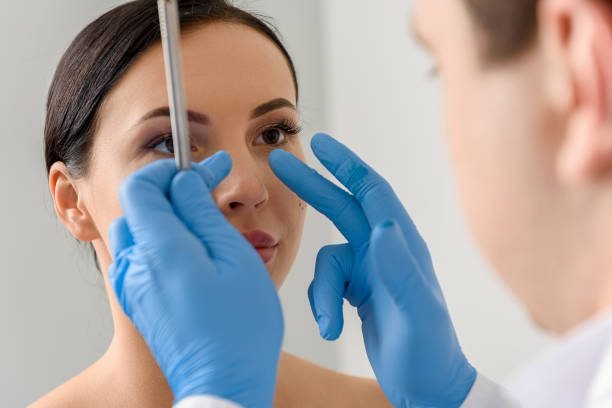
Deciding to undergo primary rhinoplasty is a major step, especially if it is your first cosmetic or functional facial surgery. Rhinoplasty, often called nose surgery, can refine facial balance, improve breathing, or address both cosmetic and functional concerns at the same time.
For first-time patients, uncertainty is common. Questions about preparation, recovery, swelling, and safety often arise long before surgery day. Understanding what to expect helps reduce anxiety and leads to better outcomes.
This guide explains how to prepare for rhinoplasty surgery in the USA, what happens before and after the procedure, and why professional consultation plays a critical role in achieving safe and satisfying results.
What Is Primary Rhinoplasty?
Primary rhinoplasty refers to a first-time nose surgery. Unlike revision rhinoplasty, which corrects or refines a previous operation, primary rhinoplasty works with untouched nasal structures.
Because this is the first surgical intervention, surgeons have more flexibility in shaping the nose and preserving structural support. This often leads to more predictable outcomes when the procedure is carefully planned.
Primary rhinoplasty may focus on cosmetic changes, functional breathing improvements, or a combination of both.
Who Is a Good Candidate for Primary Rhinoplasty?
Not everyone is immediately ready for rhinoplasty. Ideal candidates typically share certain characteristics.
Cosmetic Concerns Addressed by Rhinoplasty
Patients often seek rhinoplasty to address:
- A nasal hump
- A wide or asymmetrical nose
- A bulbous or drooping nasal tip
- Proportional imbalance with other facial features
Breathing Improvement and Functional Benefits
Primary rhinoplasty can also improve airflow by addressing internal nasal structures that affect breathing. Functional improvements are often combined with cosmetic refinements to support both appearance and comfort.
Setting Realistic Expectations
Successful rhinoplasty starts with realistic expectations. The goal is improvement, not perfection. A professional consultation helps align surgical possibilities with your facial anatomy and personal goals.
How to Prepare for Rhinoplasty Surgery in the USA
Preparation is one of the most important parts of a successful rhinoplasty experience. Planning ahead helps reduce complications and supports smoother recovery.
Choosing a Qualified Plastic Surgeon
Selecting a board-certified plastic surgeon with rhinoplasty experience is critical. The surgeon’s training, attention to detail, and understanding of nasal anatomy directly affect safety and outcomes.
A consultation allows the surgeon to evaluate your nose structure, discuss your goals, and explain what rhinoplasty can realistically achieve.
Initial Surgeon Consultation Steps
During your consultation, expect to:
- Discuss cosmetic and functional concerns
- Review medical history
- Talk about breathing issues if present
- Ask questions about technique, recovery, and risks
- Learn whether you are a good candidate for primary rhinoplasty
This conversation forms the foundation of your surgical plan.
Medical Evaluation and Health Considerations
Your surgeon may recommend medical evaluations to ensure you are healthy enough for surgery. Being honest about medications, supplements, and health conditions helps reduce anesthesia and recovery risks.
Questions to Ask During Your Consultation
Important questions include:
- What results can I realistically expect?
- How long will recovery take?
- What are the risks involved?
- How will swelling change over time?
- What steps reduce the need for revision surgery?
Rhinoplasty Pre-Op Checklist
Following pre-operative instructions is essential for safety and healing.
Pre-Surgery Instructions
Your surgeon will provide detailed guidance that may include:
- When to stop eating or drinking before surgery
- What to wear on surgery day
- Transportation arrangements
Medications and Supplements to Avoid
Certain medications and supplements can increase bleeding risk. Your surgeon will tell you which substances to stop taking before surgery.
Lifestyle Adjustments Before Surgery
Lifestyle preparation may involve:
- Avoiding smoking
- Reducing alcohol intake
- Maintaining stable nutrition
- Getting adequate rest
Planning Time Off and Support
Plan time away from work and arrange help at home for the first few days after surgery. Support reduces stress and supports recovery.
What Happens on Rhinoplasty Surgery Day
Understanding surgery day helps reduce anxiety.
Anesthesia and What to Expect
Primary rhinoplasty is typically performed under anesthesia to ensure comfort and safety. Your anesthesia provider monitors you throughout the procedure.
Overview of the Surgical Process
The surgeon reshapes nasal bone, cartilage, or both depending on your goals. Every surgical plan is customized to the patient’s anatomy and desired outcome.
Duration of Surgery
The procedure length varies based on complexity. Your surgeon will explain expected timing during consultation.
Recovery Phases After Primary Rhinoplasty
Recovery occurs in stages, and patience is essential.
First Week Recovery Expectations
During the first week, patients often experience:
- Swelling and bruising
- Nasal congestion
- Mild discomfort
Splints or dressings may be used to support healing.
Swelling Timeline and Bruising Stages
Swelling decreases gradually. Early swelling resolves within weeks, while subtle swelling may take months to fully settle. This timeline varies by individual.
Breathing Changes During Healing
Temporary breathing changes are common due to swelling. Improvement occurs as healing progresses.
Returning to Normal Activities
Most patients return to light activities within a few weeks. Strenuous exercise should wait until cleared by the surgeon.
Understanding Rhinoplasty Results
Short-Term vs Long-Term Results
Early results are visible once swelling subsides, but the final shape takes time. Nasal tissues continue to refine over several months.
Final Nose Shape Timeline
Final rhinoplasty results may take up to a year to fully develop. Following post-operative instructions helps support optimal healing.
Importance of Post-Operative Care
Attending follow-up visits and following care guidelines reduces complication risk and supports long-term satisfaction.
Risks and Revision Considerations
Every surgical procedure carries some risk.
Common Risks Associated With Rhinoplasty
Potential risks include swelling irregularities, breathing concerns, or dissatisfaction with results. These risks are minimized with proper planning and surgeon expertise.
Why Revision Risks Are Higher Without Preparation
Inadequate planning or unrealistic expectations increase the likelihood of revision surgery. Careful preparation and communication reduce this risk.
How Surgeon Expertise Reduces Complications
An experienced surgeon anticipates structural challenges and prioritizes long-term nasal support. This lowers the chance of complications and revision procedures.
Why Professional Consultation Matters
Rhinoplasty is not a one-size-fits-all procedure. A professional consultation ensures your anatomy, goals, and health are fully evaluated.
Benefits of expert consultation include:
- Personalized surgical planning
- Honest discussion of limitations
- Clear understanding of recovery
- Reduced risk of dissatisfaction
If you are considering rhinoplasty, scheduling a consultation is the most important first step.
A qualified Top Plastic Surgeons USA can help you understand whether rhinoplasty is right for you and how to prepare safely.
Final Thoughts
Primary rhinoplasty is a deeply personal decision that deserves thoughtful preparation. Understanding the process, recovery phases, and importance of surgeon expertise helps first-time patients feel confident and informed.
The best outcomes begin with education, realistic expectations, and professional guidance.
If you are considering rhinoplasty and want clear answers tailored to your goals, the next step is simple. Schedule a consultation with a qualified plastic surgeon to discuss preparation, expectations, and whether primary rhinoplasty is right for you.
Careful planning today supports safer surgery, smoother recovery, and results you can feel confident about long term.
Frequently Asked Questions
1. Is primary rhinoplasty painful?
Discomfort is usually mild to moderate and managed with prescribed care. Most patients report pressure rather than severe pain.
2. How long does swelling last after rhinoplasty?
Initial swelling improves within weeks, but subtle swelling can take several months to fully resolve.
3. When can I see my final rhinoplasty results?
Final results typically appear over time, often within a year as the nose fully settles.
4. Can rhinoplasty improve breathing?
Yes. Primary rhinoplasty can address structural issues that affect airflow and breathing comfort.
5. Do I need a consultation before deciding?
Yes. A consultation helps confirm candidacy, set expectations, and create a safe surgical plan.
