


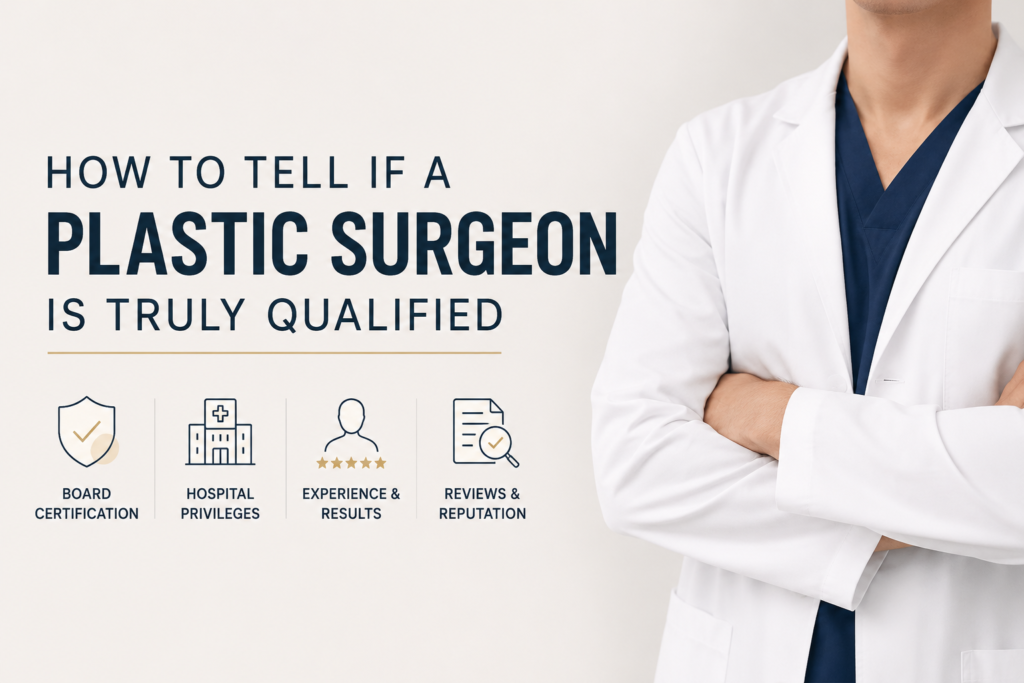
You finally decided to go for it. You looked up plastic surgeons online, scrolled through a few Instagram pages, maybe watched a couple of YouTube transformation videos, and now you have a shortlist. But something is nagging at you.
How do you actually know if any of these surgeons are good, or if they are just really good at social media?
This is one of the most important questions a patient can ask before going under the knife. And the honest answer is that great marketing and great surgery do not always go together. Some of the most skilled plastic surgeons in the country barely post on Instagram. And some of the most followed surgeons have had serious complications and unhappy patients hidden behind their glossy before-and-after reels.
This guide will walk you through exactly how to tell the difference. By the time you finish reading, you will know what to look for, what to ignore, and how to use a directory like Top Plastic Surgeons USA to find someone who is genuinely qualified.
| Quick Answer A surgeon with board certification from the American Board of Plastic Surgery (ABPS), a clean malpractice history, hospital privileges, and a track record of real patient outcomes is almost always more trustworthy than one who leads with social media followers and PR placements. |
Why Marketing Can Be Misleading in Plastic Surgery
The plastic surgery industry is worth over 60 billion dollars globally. That kind of money draws serious marketing budgets. A surgeon can spend thousands of dollars a month on Instagram ads, search engine placement, influencer partnerships, and reputation management software. None of that spending has anything to do with how well they perform surgery.
Here are some of the most common tactics that create a perception of quality without guaranteeing it:
Social Media Follower Counts
A surgeon with 500,000 Instagram followers may look impressive. But follower counts can be inflated through paid promotions, sensational content, or simply being early to the platform. The surgeon with 4,000 followers who spends their time in the operating room and at medical conferences may be far more skilled.
TV Appearances and Magazine Features
Being featured in a magazine or appearing on a local news segment is not the same as being vetted for medical quality. These placements often come from PR firms, not editorial review boards. They look good on a website but they mean very little in terms of surgical skill.
‘As Seen In’ Badges
Forbes, Vogue, People, Allure. These publications sometimes run advertorial content or simply cite surgeons who pitch themselves well. An ‘as seen in’ badge tells you about their publicist, not their scalpel.
Glossy Before and After Photos
Photo editing software is good enough that touched-up results can look stunning online. Beyond that, surgeons can cherry-pick their best outcomes while the average or poor results stay hidden. You want to see a wide range of before and after images, not just the most dramatic transformations.
What Actually Makes a Plastic Surgeon Good
Now that you know what to be skeptical of, here is what genuinely matters when evaluating a surgeon.
1. Board Certification by the American Board of Plastic Surgery
This is the single most important credential to check. The American Board of Plastic Surgery (ABPS) is the only board recognized by the American Board of Medical Specialties (ABMS) that certifies surgeons specifically in plastic and reconstructive surgery.
To earn this certification, a surgeon must complete medical school, a five-year surgical residency, at least two years of plastic surgery training, pass rigorous written and oral exams, and submit documented surgical cases for peer review.
Many surgeons call themselves cosmetic surgeons without holding this certification. Always verify directly at the ABPS website or through a trusted directory. Every surgeon listed on Top Plastic Surgeons USA is board-certified by the ABPS.
| How to Check Visit topplasticsurgery.com and use the surgeon lookup tool. It takes less than 30 seconds and could be the most important step in your entire search. |
2. ASPS Membership
The American Society of Plastic Surgeons requires its members to be board-certified by the ABPS. ASPS members are also held to an ethics code and must maintain continuing education requirements. Membership does not guarantee a great surgeon but it does confirm the baseline credentials are in place.
3. Hospital Privileges
This one surprises a lot of patients. If a surgeon has privileges to perform procedures at an accredited hospital, it means the hospital credentialing committee has independently reviewed their training, malpractice history, and competency. Surgeons who operate exclusively in their own private clinics without any hospital privileges have bypassed this independent review process entirely.
Ask your surgeon directly: do you have hospital privileges, and where? If they cannot answer or become defensive, take note.
4. Years of Experience in Your Specific Procedure
A surgeon can be board-certified and still be relatively new to the procedure you want. Ask how many times they have performed your specific surgery. Ask how many they do per month. A rhinoplasty specialist who has done 1,000 nose jobs is a different option than a general plastic surgeon who does rhinoplasty occasionally.
5. Transparent Complication Rates
Every surgeon has complications. The ones who tell you their complication rate and what they do when problems arise are usually more trustworthy than those who suggest they have a perfect record. Surgery carries inherent risk and any surgeon claiming zero complications either is not being honest or has not done enough cases.
6. Accredited Surgical Facility
Whether surgery is done in a hospital or a private surgical suite, the facility should be accredited by a recognized body such as the Joint Commission, AAAHC, or AAAASF. These organizations audit facilities for safety protocols, equipment standards, and emergency preparedness.
Red Flags to Watch Out For
Beyond the credentials, your interactions before surgery can tell you a lot. Here are warning signs that should give you pause:
- The surgeon pressures you to book quickly or offers steep last-minute discounts
- They dismiss your questions or make you feel rushed during the consultation
- They promise specific outcomes or guarantee you will look a certain way
- They are not certified by the ABPS but call themselves a cosmetic surgeon anyway
- They cannot provide references to recent patients willing to speak with you
- The before and after photos all look extremely similar or suspiciously edited
- The surgical facility cannot show you accreditation documentation
- The quote is significantly lower than every other surgeon in the area
That last point matters a lot. Price shopping for plastic surgery is dangerous. When a cost seems too good to be true, it usually means something is being cut, whether that is surgeon experience, facility quality, or aftercare support.
How to Actually Research a Surgeon
Here is a practical checklist you can use right now.
Step 1: Verify Board Certification
Go to abplasticsurgery.org or use the surgeon search on Top Plastic Surgeons USA. Every listing on the platform shows verified ABPS certification status.
Step 2: Check State Medical Board Records
Every state has a medical board that publishes disciplinary records online. Search your surgeon’s name in your state’s database. You are looking for malpractice judgments, license suspensions, or disciplinary actions. A clean record does not guarantee perfection but a history of actions is a serious warning sign.
Step 3: Read Reviews Across Multiple Platforms
Do not rely on the testimonials section of a surgeon’s own website. Check Google Reviews, RealSelf, Healthgrades, and Vitals. Look for patterns rather than individual complaints. One unhappy patient is not unusual. Dozens of patients describing the same issue is something else entirely.
Step 4: Ask for a Consultation and Pay Attention
A good surgeon takes time during the consultation. They ask about your health history. They manage your expectations. They explain the risks without sugarcoating. They show you photos of real patients who had the same procedure. They encourage you to take time to decide and do not push for a same-day booking deposit.
Step 5: Ask the Hard Questions
- How many times have you performed this exact procedure?
- What are your complication rates for this surgery?
- What happens if I am unhappy with my result?
- Where would I go if there was an emergency during or after surgery?
- Can I speak with a recent patient who had the same procedure?
A confident, ethical surgeon will welcome these questions. If the answers feel evasive or the surgeon seems annoyed by your curiosity, trust that instinct.
The Role of Before and After Photos
Good before and after galleries tell a story. Look for photos taken in consistent lighting from consistent angles. Look for a range of patients with different body types, ages, and skin tones. Look for outcomes that look natural rather than extreme. And if you can, look for long-term results, not just photos taken immediately after healing.
Be wary of galleries where every single patient looks flawless. Real outcomes include variation. Surgeons who share a realistic range are showing you honesty, and that matters as much as the results themselves.
Using Top Plastic Surgeons USA to Find the Right Surgeon
Top Plastic Surgeons USA was built specifically to address the problem this article is about. Every surgeon listed on the platform has been reviewed for ABPS board certification and professional standing. The directory covers surgeons across all 50 states, organized by procedure and location, so you can find qualified options near you without having to sort through pages of paid ads.
Unlike a Google search that returns whoever spent the most on advertising, the Top Plastic Surgeons USA directory filters by credentials, not marketing spend. You can browse by state, filter by procedure, and review individual surgeon profiles that highlight their training, certifications, and areas of specialty.
Whether you are looking for a rhinoplasty specialist in New York, a breast augmentation surgeon in California, or a body contouring expert in Texas, the directory gives you a starting point built on verification rather than self-promotion.
| Start Your Search Visit top-plasticsurgeons-usa.com, select your state and procedure, and browse board-certified surgeons near you. Use the profiles to shortlist two or three candidates and schedule consultations before making any decision. |
How Marketing and Skill Can Coexist
It would be unfair to suggest that all well-marketed surgeons are bad. Some genuinely excellent surgeons have learned to tell their story on social media and attract patients through content. The point is not to avoid surgeons with a social media presence. The point is to not let that presence substitute for proper verification.
A surgeon can have 200,000 Instagram followers and be board-certified with 20 years of experience and a spotless malpractice history. That surgeon deserves your serious consideration. The problem only arises when you use follower count as a replacement for research rather than a starting point.
8-Week Update From Adding Tesamorelin, MOTS-c & 5-Amino-1MQ to My Stack
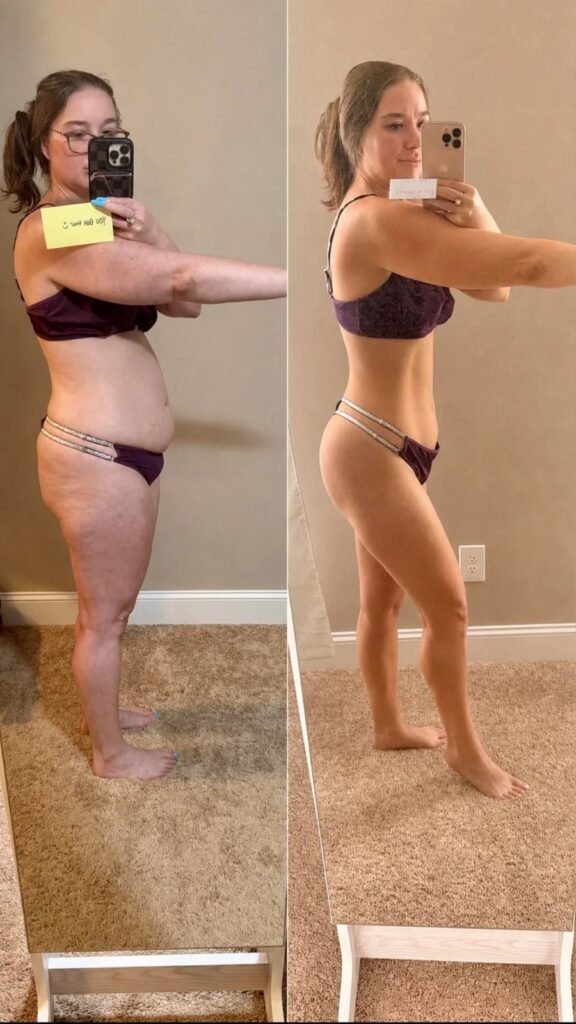
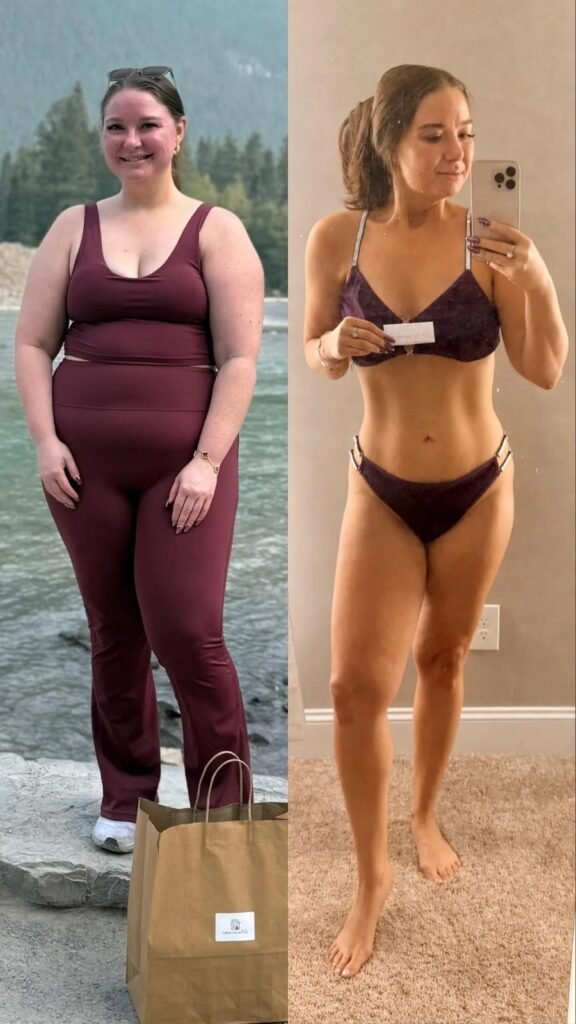
After 8 weeks of using Tesamorelin, MOTS-c, and 5-Amino-1MQ, I am happy with the progress I have made. My goal was to lose body fat and improve my body shape, and I can see a clear difference in my photos.
The biggest changes are around my stomach and waist. My waist looks smaller, my stomach looks flatter, and my body looks leaner overall. The side-view photos show the changes the best and make it easier to see the fat loss.
I also noticed that I had more energy during the day and felt better during my workouts. Recovery after training seemed easier, which helped me stay consistent with my exercise routine.
It’s important to remember that these results did not come from peptides alone. I also followed a healthy diet, exercised regularly, stayed active, and focused on getting enough sleep. The combination of these habits, along with Tesamorelin, MOTS-c, and 5-Amino-1MQ, helped me make steady progress over the past 8 weeks.
Everyone’s results will be different, but these are the changes I experienced during my body recomposition journey.
Final Thoughts
Choosing a plastic surgeon is one of the most consequential health decisions you can make. The stakes are real, both medically and emotionally. The good news is that the tools to make a smart, informed decision are available to you right now.
Check the board certification. Verify the medical board record. Read reviews across multiple platforms. Ask hard questions at the consultation. Look at a wide range of before and after photos. And use resources like Top Plastic Surgeons USA to build your shortlist from a foundation of verified credentials.
Marketing will always be louder than quiet competence. Your job as a patient is to look past the noise and find the surgeon who has both the credentials and the character to take care of you properly.
The best surgeon for you is not necessarily the most famous one. It is the one who is qualified, experienced in your specific procedure, communicates honestly, and makes you feel like a person, not a salesperson.
Suggested FAQ Section
Q: How do I know if a plastic surgeon is board-certified?
Visit top-plasticsurgeons-usa.com and use the surgeon lookup tool. You can also verify through Top Plastic Surgeons USA, where every listed surgeon has been independently confirmed as ABPS board-certified.
Q: What is the difference between a cosmetic surgeon and a plastic surgeon?
A board-certified plastic surgeon has completed an accredited residency program and passed exams administered by the American Board of Plastic Surgery. The term ‘cosmetic surgeon’ has no specific licensing requirement in the United States, meaning any licensed physician can use it.
Q: How do I find a plastic surgeon near me?
Use the Top Plastic Surgeons USA directory to search by state and procedure. Every profile includes the surgeon’s credentials, specialty, and practice location.
Q: What should I ask during a plastic surgery consultation?
Ask about board certification, how many times they have performed your specific procedure, their complication rates, and whether the surgical facility is accredited. A trustworthy surgeon will welcome these questions.
Q: How do I report a concern about a plastic surgeon?
Contact your state medical board. You can also leave reviews on platforms like RealSelf, Healthgrades, and Google to help other patients make informed decisions.