


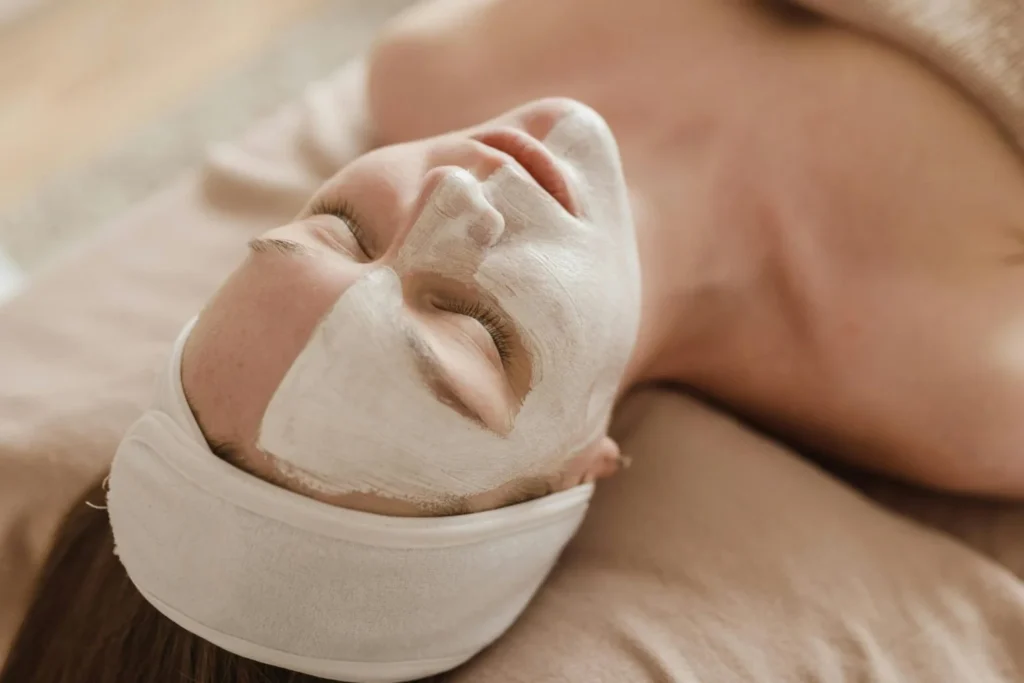
Non-invasive skin treatments have become increasingly popular for people who want brighter, smoother skin without surgery. Among the most commonly researched options are chemical peels and microdermabrasion. Both aim to exfoliate the skin, but they work in very different ways. If you are deciding between a chemical peel vs microdermabrasion, understanding how each treatment works is essential. The right choice depends on your skin concerns, tolerance for downtime, and long-term goals.
This guide explains the differences clearly so you can make an informed decision with confidence.
Understanding Exfoliation and Skin Renewal
Exfoliation removes dead skin cells that build up on the surface of the skin. Over time, this buildup can make skin look dull, uneven, and textured. Professional exfoliation treatments go beyond at-home products. They stimulate cell turnover and improve how skincare products absorb into the skin. Both chemical peels and microdermabrasion support healthier skin, but they do so at different depths.
Why Exfoliation Matters for Skin Health
Regular exfoliation can improve:
- Skin tone and brightness
- Texture and smoothness
- Appearance of fine lines
- Acne-prone skin
When performed correctly, exfoliation encourages the skin to renew itself more efficiently.
Overview of Professional Exfoliation Treatments
Professional exfoliation treatments are designed to be controlled and predictable. They are tailored to skin type and concerns. Chemical peels use solutions to dissolve dead skin cells. Microdermabrasion uses physical exfoliation to remove surface layers. Choosing between them depends on how deep your concerns go.
What Is a Chemical Peel?
A chemical peel is a treatment that uses a chemical solution to exfoliate the skin. The solution causes the outer layer of skin to shed, revealing fresher skin underneath. Chemical peels vary in strength. This allows providers to customize treatment based on individual needs. They are commonly used for pigmentation, fine lines, acne scars, and uneven tone.
How Chemical Peels Work
Chemical peels work by breaking down the bonds between dead skin cells. This controlled exfoliation triggers the skin’s natural regeneration process.
As old skin sheds, new skin cells rise to the surface. Over time, this improves clarity and texture. The depth of the peel determines both results and recovery time.
Types of Chemical Peels
Chemical peels are generally categorized by depth.
Light chemical peels target the outermost layer of skin. They improve mild discoloration and rough texture with minimal downtime.
Medium chemical peels penetrate deeper. They are often used for pigmentation, acne scars, and moderate wrinkles.
Deep chemical peels reach the deepest layers. They provide more dramatic results but require longer recovery and medical supervision.
What Is Microdermabrasion?
Microdermabrasion is a non-invasive exfoliation treatment that removes the top layer of dead skin cells using a specialized device. It is considered a gentle treatment with minimal downtime. Many patients choose it as part of a regular skincare routine. Microdermabrasion focuses on surface-level improvement rather than deep correction.
How Microdermabrasion Works
During treatment, a handheld device exfoliates the skin using fine crystals or a diamond tip. Dead skin cells are gently suctioned away. The process improves circulation and promotes mild cell turnover. Skin often feels smoother immediately after treatment. Because it is superficial, multiple sessions are usually needed for ongoing results.
Types of Microdermabrasion Treatments
There are two common approaches:
- Crystal microdermabrasion
- Diamond-tip microdermabrasion
Both aim to exfoliate gently. The choice depends on provider preference and skin sensitivity.
Chemical Peel vs Microdermabrasion: Key Differences
Although both treatments exfoliate the skin, they differ significantly in depth and purpose. Understanding these differences helps match the treatment to your skin concerns.
Depth of Exfoliation
Chemical peels can reach deeper layers of skin depending on strength. This allows them to treat pigmentation and acne scars more effectively. Microdermabrasion only treats the surface layer. It is ideal for mild texture and dullness. Depth is one of the most important factors when choosing between treatments.
Skin Concerns Treated
Chemical peels are commonly used for:
- Hyperpigmentation
- Sun damage
- Acne scars
- Fine lines
Microdermabrasion is best for:
- Mild texture issues
- Dull skin
- Clogged pores
The severity of your concern often determines the best option.
Treatment Intensity and Sensation
Chemical peels may cause tingling or warmth during treatment. Stronger peels can feel more intense. Microdermabrasion is generally comfortable and often described as a light scratching sensation. Comfort level can influence treatment choice.
Comparing Results and Benefits
Results vary depending on treatment type, depth, and consistency. Some patients see immediate improvement, while others notice gradual change.
Exfoliation Benefits for Texture and Tone
Both treatments improve texture and brightness. Chemical peels often produce more noticeable changes in tone and clarity. Microdermabrasion delivers subtle refinement and smoothness.
Pigmentation Removal and Brightening
Chemical peels are more effective for pigmentation issues such as sun spots and uneven tone. Microdermabrasion may help brighten skin but does not significantly treat deep pigmentation. For discoloration concerns, chemical peels are usually recommended.
Fine Lines and Acne Scar Improvement
Medium-depth chemical peels can improve fine lines and shallow acne scars. Microdermabrasion has limited impact on scars or wrinkles. Depth matters when addressing structural skin concerns.
Downtime and Recovery Comparison
Downtime is a key consideration for many patients. Lifestyle and work schedules often influence treatment choice.
Downtime After Chemical Peels
Downtime depends on peel strength. Light peels may cause mild redness for a day or two. Medium peels can involve peeling and redness for several days. Deep peels require extended recovery. Planning ahead is important.
Downtime After Microdermabrasion
Microdermabrasion typically has little to no downtime. Mild redness usually resolves within hours. Patients often return to normal activities the same day. This makes it appealing for busy schedules.
Which Option Fits Your Lifestyle
If minimal downtime is a priority, microdermabrasion may be a better fit. If deeper correction is the goal, chemical peels may be worth the recovery time.
How Long Do Results Last?
Result duration varies based on treatment type and maintenance. Skin continues to age, so ongoing care is important.
Results Duration for Chemical Peels
Chemical peel results can last several months or longer depending on depth. Sun protection and skincare extend results. Periodic maintenance peels may be recommended.
Results Duration for Microdermabrasion
Microdermabrasion results are short-term. Treatments are often repeated every few weeks. It works best as part of a routine rather than a one-time solution.
Maintenance and Long-Term Care
Both treatments benefit from:
- Consistent skincare
- Sun protection
- Professional guidance
Maintenance plans should be personalized.
Skin Types and Candidacy
Not all skin types respond the same way. Professional evaluation ensures safety and effectiveness.
Best Skin Types for Chemical Peels
Chemical peels can be customized for many skin types. Certain peels are safer for sensitive or darker skin tones. Proper selection reduces risk.
Best Skin Types for Microdermabrasion
Microdermabrasion works well for most skin types with mild concerns. Very sensitive or inflamed skin may require alternative treatments.
When Either Treatment May Not Be Recommended
Active infections, open wounds, or certain skin conditions may delay treatment. Consultation helps identify safe options.
Combining Chemical Peels or Microdermabrasion With Other Treatments
Exfoliation treatments are often combined with other non-invasive options. This approach enhances overall results.
Combination With Skincare Regimens
Professional treatments improve how skincare products absorb. Providers often recommend tailored skincare routines.
Pairing With Other Skin Treatments
Chemical peels and microdermabrasion may be combined with treatments like microneedling or facials. Combination plans should be professionally guided.
Importance of Professional Treatment Planning
Personalized planning prevents over-treatment. Expert guidance protects skin health.
Safety and Risk Considerations
Both treatments are generally safe when performed by trained professionals. Understanding risks supports informed decisions.
Common Side Effects
Temporary redness, dryness, or sensitivity are common.
These effects usually resolve quickly.
Importance of Professional Application
Proper technique reduces the risk of irritation or pigmentation issues.Medical supervision adds an extra layer of safety.
How to Choose Between Chemical Peels and Microdermabrasion
The best choice depends on your goals, skin type, and schedule.There is no one-size-fits-all answer.
Matching Treatment to Skin Goals
Choose chemical peels for deeper correction.Choose microdermabrasion for maintenance and surface refresh.
Questions to Ask During a Consultation
Ask about:
- Treatment depth
- Downtime
- Expected results
- Maintenance plans
Clear answers build confidence.
Why Personalized Assessment Matters
Skin concerns are unique.Professional evaluation ensures the right treatment choice. Contact Top Plastic Surgeons USA to get trusted information and connect with qualified professionals who can help you choose the right treatment with confidence.
Final Thoughts
When comparing chemical peel vs microdermabrasion, the best treatment is the one that aligns with your skin needs and lifestyle. Both offer benefits when used appropriately.
If you are exploring non-invasive skin renewal options, start with a consultation from a qualified provider. For Professional guidance contact us, we will help you choose between chemical peels and microdermabrasion based on your skin goals and safety needs.Education and professional guidance lead to better results.
Frequently Asked Questions
Q1 Which is better, chemical peel or microdermabrasion?
Neither is universally better. Chemical peels treat deeper concerns, while microdermabrasion focuses on surface exfoliation.
Q2 How often can I get microdermabrasion?
Many patients schedule treatments every few weeks as part of maintenance care.
Q3 Do chemical peels hurt?
Sensation varies by peel strength. Most are tolerable with professional application.
Q4 Can these treatments be combined?
Yes, but only under professional guidance to avoid over-exfoliation.
