


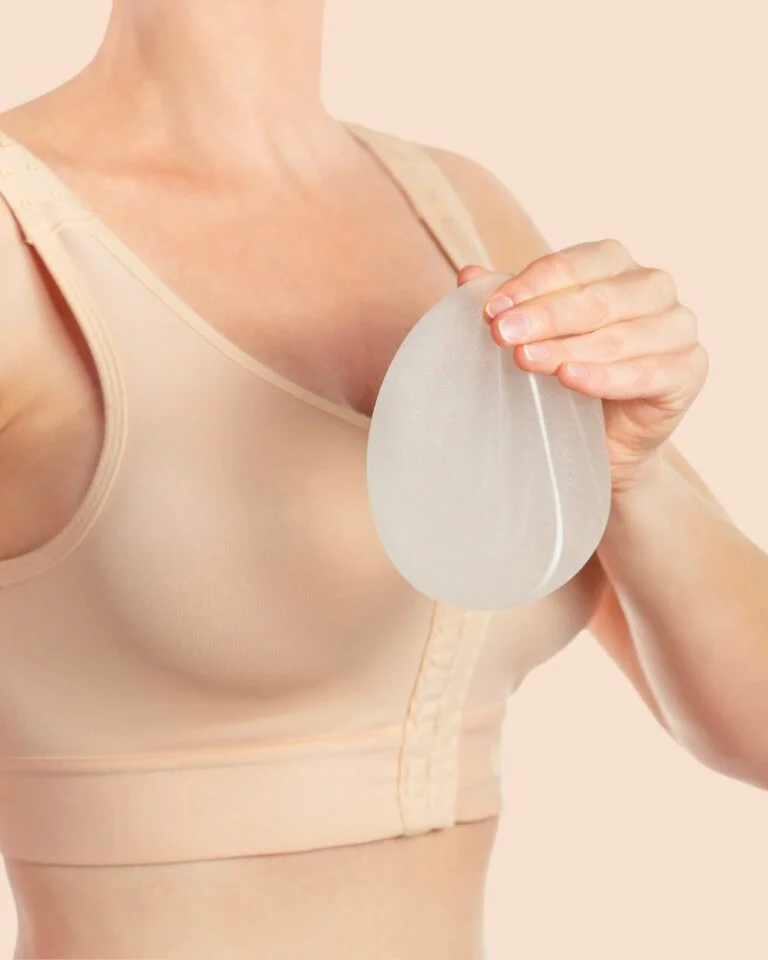
Choosing breast implants is one of the most important decisions in breast augmentation. Many women begin their research feeling overwhelmed by the number of options and conflicting information available online.
If you are searching for breast implant types explained clearly and honestly, this guide is designed to help. Understanding the differences between silicone, saline, and hydrogel implants allows you to make informed decisions that align with your body, goals, and long-term health.
Equally important is understanding how implant choice connects to surgeon experience. Even the best implant type depends on proper placement, planning, and surgical expertise.
Understanding Breast Implant Types
Breast implants differ based on what they are filled with, how they feel, and how they behave over time. No single implant type is best for everyone. The right choice depends on anatomy, lifestyle, aesthetic goals, and risk tolerance. This is why education is the first step before any consultation. A qualified plastic surgeon helps guide implant selection, but patients benefit from understanding the basics beforehand.
Why Implant Choice Matters
Implant choice affects appearance, feel, maintenance, and long-term outcomes. It also influences how potential complications are monitored. Different implants behave differently if they rupture or shift. Some require ongoing imaging while others show visible changes more quickly. Understanding these differences helps patients ask better questions during consultations.
Overview of Breast Implant Materials
The most common implant fills include:
- Silicone gel
- Saline solution
- Hydrogel filler
Each material offers unique characteristics. None are interchangeable, and each has specific considerations.
Silicone Breast Implants Explained
Silicone implants are among the most commonly chosen options for breast augmentation. They are filled with a cohesive silicone gel designed to mimic natural breast tissue. Many patients choose silicone implants for their softness and realistic feel. However, they require careful monitoring over time.
What Silicone Implants Are Made Of
Silicone implants consist of a silicone outer shell filled with silicone gel. The gel can vary in thickness depending on the implant type. Modern silicone implants are designed to hold their shape even if the shell is compromised. This is often referred to as cohesive gel. This design improves stability and reduces leakage risk.
How Silicone Implants Feel
Silicone implants are often described as feeling closer to natural breast tissue. This is especially noticeable in patients with less natural breast volume. Because of their consistency, they may produce smoother contours and less visible rippling. This makes silicone a popular choice for women seeking subtle, natural-looking results.
Benefits and Limitations of Silicone Implants
Benefits include:
- More natural feel
- Less visible rippling
- Broad range of sizes and shapes
Limitations include:
- Higher cost compared to saline
- Need for periodic imaging to monitor rupture
A surgeon helps determine whether these trade-offs make sense for your goals.
Saline Breast Implants Explained
Saline implants are filled with sterile saltwater solution. They have been used for decades and remain a reliable option for many patients. These implants are typically inserted empty and filled during surgery. This allows for smaller incisions in some cases.
How Saline Implants Work
Saline implants use a silicone shell filled with saline solution. If the implant ruptures, the body absorbs the saline naturally. Rupture is usually noticeable quickly because the implant deflates. This makes detection more straightforward. This feature provides peace of mind for some patients.
Appearance and Feel of Saline Implants
Saline implants may feel firmer compared to silicone, especially in thinner patients. They can also be more prone to rippling, particularly when placed above the muscle or in patients with minimal tissue coverage. However, for some body types, saline implants can still produce attractive results.
Benefits and Limitations of Saline Implants
Benefits include:
- Lower cost
- Easier rupture detection
- Smaller incision options
Limitations include:
- Firmer feel
- Higher chance of rippling
Saline implants work well for certain candidates when selected carefully.
Hydrogel Breast Implants Explained
Hydrogel implants are less commonly discussed but are part of ongoing implant development. They are filled with a water-based gel that absorbs fluids if ruptured. Availability and use vary depending on regulatory approval and surgeon experience.
What Hydrogel Implants Are
Hydrogel implants use a gel filler that expands by absorbing water. The goal is to combine softness with improved safety features. These implants are designed to maintain shape while allowing the body to absorb the filler if rupture occurs. They are not as widely used as silicone or saline in the United States.
How Hydrogel Implants Compare
Hydrogel implants aim to balance softness and rupture safety. However, long-term data is more limited compared to traditional options. Patients considering hydrogel implants should discuss availability and experience with a qualified surgeon. Not all surgeons offer or recommend this option.
Availability and Considerations in the USA
Hydrogel implants may not be available in all practices. Surgeon familiarity and regulatory status play a role. This makes consultation and verification especially important.
Silicone vs Saline vs Hydrogel Key Differences
Comparing implant types side by side helps clarify which option aligns with your priorities. Each material behaves differently under stress and over time.
Implant Feel Differences
Silicone is typically the softest and most natural-feeling. Saline may feel firmer, particularly in lean patients. Hydrogel is designed to mimic softness, but real-world experience varies. Feel preference is subjective and best evaluated during consultation.
Visual Appearance and Rippling
Silicone implants generally show less rippling. Saline implants may show rippling in some cases. Placement technique and tissue coverage significantly affect appearance. Surgeon skill matters as much as implant type.
Implant Rupture Risk and Detection
Saline ruptures are usually visible quickly. Silicone ruptures may require imaging to detect. Hydrogel implants are designed to collapse safely if compromised. Understanding rupture behavior helps patients plan long-term monitoring.
Implant Shape and Surface Options
Implants also vary by shape and surface texture. These choices influence final appearance and movement.
Round vs Anatomical Implants
Round implants provide fullness throughout the breast. Anatomical implants aim to mimic natural slope. Surgeon preference and patient anatomy guide this decision. Not every patient benefits from anatomical shapes.
Smooth vs Textured Implants
Smooth implants move freely and feel softer. Textured implants adhere more to surrounding tissue. Textured implants may be used for specific indications, but not all surgeons recommend them. This decision should be discussed thoroughly.
How Shape and Surface Affect Results
Shape and surface work together with implant fill and placement. These variables highlight why implant choice should never be made without professional guidance.
Implant Lifespan and Long-Term Considerations
Breast implants are not lifetime devices. Understanding longevity is part of informed consent. Regular follow-up is essential.
How Long Breast Implants Last
Many implants last 10 to 15 years or longer, but replacement may be needed earlier or later. There is no fixed expiration date. Monitoring helps detect changes early.
Monitoring and Follow-Up
Surgeons recommend periodic checkups. Imaging may be advised for silicone implants. Following monitoring guidelines protects long-term health.
When Replacement May Be Needed
Reasons include rupture, capsular changes, or aesthetic preferences. Replacement decisions are individualized.
Safety and Risk Factors to Understand
All breast implants carry risks. Understanding them reduces surprises. Risk varies based on implant type and surgical technique.
Common Side Effects
Possible side effects include swelling, discomfort, and temporary changes in sensation. These usually resolve with time and proper care.
Less Common Risks
Less common risks may include capsular tightening or implant displacement. Surgeon experience reduces risk.
How Surgeons Help You Choose the Right Implant
Implant choice is a collaborative process. A qualified surgeon evaluates anatomy, lifestyle, and expectations.
Role of Body Type and Lifestyle
Physical activity, chest width, and skin elasticity influence recommendations. Active lifestyles may favor certain placements or materials.
Importance of Personalized Consultation
There is no universal best implant. Personalized planning leads to better outcomes.
Questions to Ask During Consultation
Patients should ask:
- Which implant type suits my body
- What are the long-term considerations
- How do you monitor implant safety
Clear answers build confidence. Contact Us to get reliable information and guidance from a trusted platform. We help patients connect with verified professionals so they can move forward with clarity, safety, and confidence.
Choosing a Qualified Breast Augmentation Surgeon
Surgeon selection is as important as implant choice. Credentials and experience matter.
Why Board Certification Matters
Board-certified surgeons meet training and ethical standards. Verification protects patient safety.
Evaluating Surgeon Experience
Look for experience with multiple implant types. Transparency is a positive sign.
Avoiding Common Selection Mistakes
Avoid choosing based on cost alone. Quality care reduces long-term risk.
If you are considering breast augmentation, start by researching board-certified and verified plastic surgeons in the United States. Choosing the right surgeon is the most important step toward selecting the implant type that fits your body and long-term goals.
Final Thoughts
Understanding breast implant types empowers women to make confident decisions. Silicone, saline, and hydrogel implants each have benefits and limitations. Top Plastic Surgeons USA supports informed choices by promoting education and surgeon verification, which form the foundation of safe outcomes.
Frequently Asked Questions
Q1 Which breast implant feels most natural?
Silicone implants are often described as the most natural-feeling, especially in patients with less breast tissue.
Q2 How long do breast implants last?
Implants can last many years, but monitoring and potential replacement should be expected.
Q3 Are saline implants safer than silicone?
Both are considered safe when used appropriately. The main difference is how rupture is detected.
Q4 Do I need imaging with breast implants?
Imaging may be recommended, particularly for silicone implants.
