


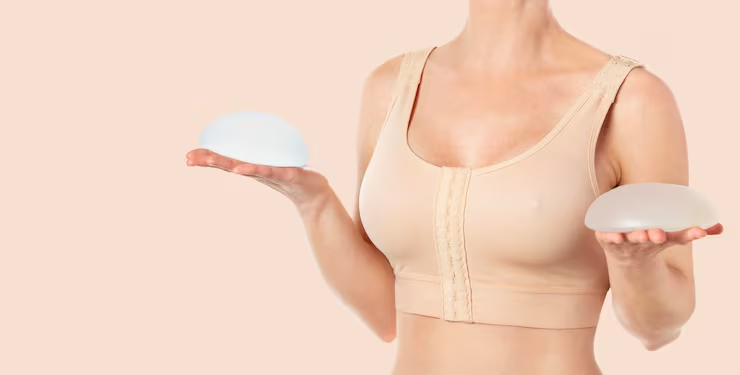
Breast augmentation is one of the most popular cosmetic procedures in the United States. While the surgery itself is relatively straightforward, recovery plays a huge role in achieving smooth, beautiful results. Knowing what to expect after surgery helps you prepare mentally and physically for the journey ahead.
What Happens Right After Surgery
Right after your procedure, you’ll spend a short time in the recovery room while your anesthesia wears off. Most patients feel groggy or tightness in the chest for the first few hours. Your surgeon will send you home the same day with detailed aftercare instructions, support garments, and prescribed medications.
How Long Recovery Usually Takes
Recovery varies depending on your body, implant type, and surgical technique. In general:
- Days 1–3: Rest and limited movement.
- Days 4–7: Most patients feel less discomfort.
- Weeks 2–3: Light activities and work may resume.
- Weeks 4–6: Exercise and full recovery begin.
Your body continues to heal for several months, and implants gradually settle into their natural position.
Key Healing Stages Explained
The healing process happens in stages. At first, swelling and tightness are normal. As your tissues adjust, you’ll notice softer contours and more natural movement. Patience and consistency with aftercare are key to achieving long-term satisfaction.
Managing Discomfort, Swelling, and Care
Normal Post-Surgery Symptoms
Mild pain, tightness, and swelling are expected in the first few days. Bruising and changes in nipple sensitivity are also normal. These symptoms gradually improve as your body heals.
Effective Ways to Reduce Swelling and Bruising
Top surgeons recommend the following recovery tips:
- Use cold compresses for short intervals during the first 48 hours.
- Keep your upper body elevated while resting or sleeping.
- Stay hydrated to flush out excess fluids.
- Avoid salty foods that increase swelling.
Following your surgeon’s medication plan helps manage discomfort safely.
Recommended Care for Faster Healing
Wearing your surgical bra or compression garment as directed supports healing and helps reduce swelling. Avoid removing dressings too early. Clean incision areas gently, and always use the products your surgeon approves.
Physical Activity and Restrictions After Surgery
When to Resume Light Activities
Most patients can move around the house the day after surgery. Short walks help circulation and prevent stiffness. However, you should avoid lifting heavy objects or stretching your arms too far overhead for the first two weeks.
Safe Exercise and Movement Guidelines
After two to three weeks, you can begin gentle lower-body exercises. Wait at least four to six weeks before doing chest or upper-body workouts. Always get your surgeon’s clearance before resuming strenuous activities.
What to Avoid During Early Recovery
- Avoid driving for the first few days while on pain medication.
- Skip saunas, hot tubs, and swimming pools until your incisions are fully closed.
- Avoid sleeping on your stomach until your surgeon approves.
Listening to your body and following recovery guidelines prevent complications and ensure the best results.
Caring for Incisions and Scars
How to Clean and Protect Your Incisions
Clean your incision sites gently with mild soap and water. Avoid applying lotions, creams, or antibiotic ointments unless your surgeon recommends them. Keeping the area clean and dry helps prevent infection.
Best Practices for Scar Care
Once your incisions close, your surgeon may suggest silicone gel sheets or scar creams to reduce redness and improve skin texture. Protect your scars from the sun by covering them or using sunscreen daily. Sun exposure can darken scars and delay fading.
When to Contact Your Surgeon
Call your surgeon if you notice increased redness, drainage, or unusual swelling around the incision. Early communication with the Top Plastic Surgeons USA team ensures quick support and smooth healing.
Nutrition, Sleep, and Lifestyle Tips for Healing
Foods That Support Recovery
Your diet has a big impact on healing. Eat foods rich in vitamins A, C, and E, along with protein and zinc. Include leafy greens, berries, lean meats, and whole grains. Stay hydrated to promote circulation and tissue repair.
Sleep Positions That Promote Comfort
Sleep on your back with your upper body slightly elevated for the first few weeks. This position minimizes swelling and protects your implants. Placing a pillow under your knees can reduce lower back pressure.
Lifestyle Choices That Can Slow Healing
Avoid smoking and alcohol during recovery. Nicotine restricts blood flow and can delay wound healing. Alcohol can interfere with medications and increase swelling.
Surgeon-Approved Recovery Timeline
Week-by-Week Progress Guide
Week 1:
Expect mild discomfort and swelling. Focus on rest and hydration.
Week 2:
You can return to desk work or light chores. Continue wearing your support bra.
Weeks 3–4:
Swelling begins to subside. Gentle exercise is usually allowed.
Weeks 5–6:
You can resume more physical activity as advised. Scars begin to fade, and your breasts settle into their natural shape.
When to Expect Final Results
Your breasts may take several months to fully settle. Final results become visible once swelling completely subsides, typically around three to six months after surgery.
Common Mistakes to Avoid During Recovery
Overexertion and Ignoring Pain
Pushing your limits too soon can cause swelling, discomfort, or delayed healing. Rest is crucial during the early stages.
Skipping Follow-Up Appointments
Follow-up visits help your surgeon track healing and catch issues early. Always attend your scheduled appointments.
Using the Wrong Products on Scars
Avoid harsh creams or oils not approved by your surgeon. Incorrect products can irritate healing skin and cause pigmentation.
Final Thoughts: Trust the Process and Your Surgeon
Recovering from breast augmentation takes time, but the results are worth it. Follow your aftercare instructions carefully, nourish your body, and give yourself time to heal. Each step brings you closer to the confident look you envisioned.
If you’re considering a breast lift or augmentation and want personalized guidance, contact us today to schedule your consultation. Our experts are here to help you make the best decision for your body and goals.
Frequently Asked Questions
1. How painful is breast augmentation recovery?
Most patients describe discomfort rather than severe pain. Medication and proper rest help you stay comfortable during the first few days.
2. How long before I can return to work?
Many patients go back to desk jobs within one to two weeks. Jobs involving lifting or physical activity may require more time off.
3. When will my implants look natural?
Implants settle gradually. Expect to see your final, natural-looking results around three to six months post-surgery.
4. Can I sleep on my side after surgery?
Avoid side sleeping for the first few weeks. Once your surgeon gives approval, you can gradually return to your preferred position.
5. What helps scars heal faster?
Keep scars moisturized and protected from the sun. Use silicone gels or sheets as recommended by your surgeon.
6. How can I reduce swelling faster?
Keep your body elevated, use cold compresses, and stay hydrated. Avoid salt and alcohol during the first few weeks.
